Stop Using the Big Light: 7 Ways to Create Better Lighting at Home
Have you ever walked into your living room in the evening, switched on the main ceiling light and felt that something just wasn't quite right? Your room might be bright, but it doesn't feel particularly cosy, relaxing or inviting.
You're not alone! The secret to a beautifully lit home isn't always a bigger or brighter ceiling light. It's about using different types of lighting together to create the perfect atmosphere for every room and occasion.
Whether you're relaxing on the sofa, preparing dinner, reading a book or getting ready for bed, the right lighting can completely transform how your home looks and feels.
At Lightsaver.co.uk, we believe great lighting should be stylish, practical and affordable. Here are seven simple ways to improve your home lighting and give the big light a well-deserved break!

1. Layer Your Lighting for a Beautifully Balanced Room
One of the biggest mistakes people make when lighting their homes is relying on a single ceiling light to do everything.
Interior designers often use a technique called layered lighting, which combines three different types of lighting to create a room that looks and feels its best.
Ambient lighting: Your general lighting, such as ceiling lights, pendants and recessed spotlights.
Task lighting: Focused lighting for activities such as reading, cooking, working or applying make-up.
Accent lighting: Decorative lighting that highlights artwork, shelving, architectural features or favourite accessories.
Combining these layers gives you much greater control over the look and feel of your space. You can have bright, practical lighting when you need it and softer, atmospheric lighting when it's time to relax.
Lightsaver tip: Start by looking at the lighting you already have. Adding just one table lamp or a pair of wall lights could make a noticeable difference without the need for a complete makeover.
2. Bring Your Living Room to Life with Table and Floor Lamps
Your living room should be somewhere you can unwind at the end of a busy day. But a single bright ceiling light can sometimes make the space feel harsh rather than homely.
Table lamps and floor lamps are an easy way to create a warmer, more inviting atmosphere.
Position a table lamp on a side table, console or shelving unit to introduce a gentle glow. A floor lamp beside your favourite armchair creates the perfect reading corner, while a lamp behind the sofa can add depth and interest to the room.

For the best results, position your lamps at different heights rather than placing all your light sources in one area.
You don't have to switch off your ceiling light completely, either. Use it when you need good general visibility, then switch to your lamps for a more relaxed evening setting.
Ready to update your living room? Explore the range of table lamps and floor lamps at Lightsaver.co.uk to find a style that complements your home.
3. Choose Warm White Bulbs for a Cosier Feel
Did you know that the colour of your lighting can change the entire atmosphere of a room?
Light bulbs are available in different colour temperatures, measured in Kelvins (K). Choosing the right one is just as important as choosing the right light fitting.
Here's a simple guide:
Warm white (around 2700K): Ideal for creating a relaxing, cosy atmosphere in living rooms and bedrooms.
Neutral white (around 3000K–4000K): Useful for kitchens, bathrooms and areas where you want a balance between comfort and clarity, depending on the task.
Cooler white (around 4000K–5000K): Can be useful for certain workspaces and task-focused areas where a crisp, bright appearance is preferred.

For living rooms and bedrooms, warm white is often the perfect choice. It creates a softer glow that works beautifully for quiet evenings, cosy nights in and winding down before bed.
In kitchens and home offices, you may prefer a brighter light for practical tasks. The key is to choose lighting that suits how you use each space.
Lightsaver tip: Check the colour temperature printed on your bulb packaging before buying replacements. If you're mixing several light sources in one room, choosing similar colour temperatures can help your lighting scheme feel more coordinated.
4. Make a Statement with Beautiful Pendant Lights
Who says lighting has to be purely practical?
A well-chosen pendant light can become a focal point in your home, adding personality, style and visual interest even when it's switched off.
Pendant lights work particularly well above dining tables, kitchen islands and breakfast bars. In a hallway, a statement pendant can create a welcoming first impression, while a decorative ceiling light can help bring your living room scheme together.
For a more considered look, think about how your pendant complements your furniture, wall colours and other light fittings.
Glass pendants can create an elegant, airy feel, while metallic finishes can add a contemporary touch. Natural textures and softer shapes can work beautifully in relaxed, understated interiors.
And remember, a statement pendant doesn't have to provide all your lighting. Combine it with wall lights, table lamps or spotlights to create a more flexible and attractive scheme.
Discover your next statement piece: Browse the lighting collection at Lightsaver.co.uk for inspiration across a range of styles and spaces.
5. Add Wall Lights to Create Depth and Atmosphere
If your room feels a little flat, wall lights could be the missing piece.
Unlike a single overhead light, wall lights introduce illumination around the edges of a room. This can help create a sense of depth and make your interiors feel more thoughtfully designed.
They're particularly useful in:
Living rooms: Create a soft background glow alongside your table and floor lamps.
Bedrooms: Add a stylish alternative to bedside table lamps.
Hallways: Make entrance spaces feel warmer and more welcoming.
Dining rooms: Introduce atmospheric lighting for relaxed meals and entertaining.
Wall lights are also a great way to highlight a feature wall, illuminate artwork or add interest to an otherwise plain space.
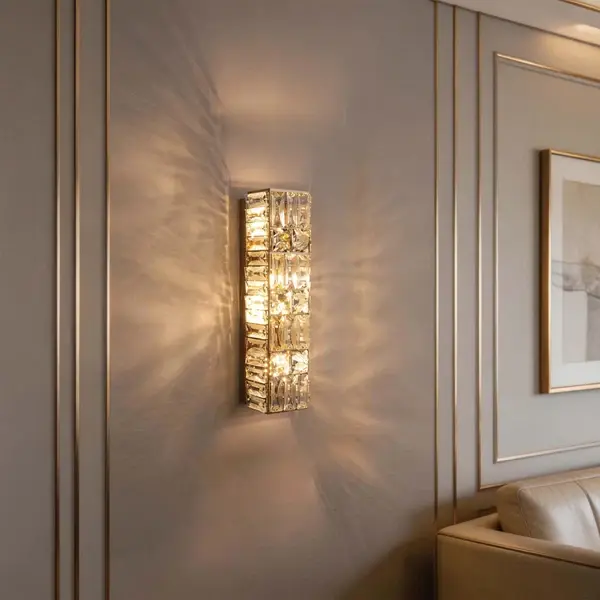
Consider whether you want your wall lights to direct light upwards, downwards or in both directions. Different designs create different effects, so think about the atmosphere you're trying to achieve.
If you're planning to install new wired wall lights, remember to consider positioning and installation requirements before choosing your fittings.
6. Give Your Bedroom a Relaxing Lighting Makeover
Your bedroom should be a place to switch off, unwind and recharge. Yet many bedrooms rely on one central ceiling light, which doesn't always create the relaxing atmosphere you'd like.
The solution is to introduce several softer light sources that can be used independently.
Start with your main ceiling light for general illumination. Then add bedside lamps or wall-mounted reading lights for a softer evening glow.
If you enjoy reading in bed, choose a fitting that directs light onto your book without shining directly into your eyes. Wall-mounted bedside lights are particularly useful if you want to free up space on your bedside tables.
You could also consider decorative pendants beside the bed or a statement ceiling light that complements your bedroom furniture.
For a coordinated look, choose fittings with complementary finishes, shapes or colours. You don't necessarily need everything to match perfectly; a little contrast can add character.
Finally, opt for warm white bulbs to create a softer atmosphere in the evening.
For even more inspiration, read our bedroom lighting advice and explore the bedroom lighting options available from Lightsaver.
7. Install Dimmable Lighting for Complete Control
Sometimes you want your home to be bright and lively. At other times, you want a softer setting for watching television, entertaining friends or relaxing after a long day.
Dimmable lighting makes it easier to achieve both.
A dimmer allows you to adjust the brightness of compatible lights to suit the occasion. You can enjoy brighter illumination when cleaning, softer lighting when dining and a gentle glow for a quiet evening at home.
Dimmers can work particularly well with living room ceiling lights, dining room pendants and bedroom lighting.
Before installing one, check that your light fitting, LED bulbs and dimmer switch are compatible. Not every LED bulb is dimmable, and incompatible combinations can cause flickering or poor performance. If you're unsure about the electrical installation, consult a qualified electrician.
If you're planning a new lighting scheme, it's worth thinking about dimming and separate switching from the start. This can give you far more flexibility in how you use your space.
How to Create the Perfect Lighting Scheme in Any Room
You don't need to replace every light in your home to make a difference. A few carefully chosen additions can help your rooms feel more comfortable, practical and stylish.
Here's a quick guide to get you started:
Room | Lighting ideas |
Living room | Ceiling light, table lamps, floor lamps and wall lights |
Bedroom | Ceiling light, bedside lamps and reading lights |
Kitchen | Ceiling lights, spotlights and under-cabinet task lighting |
Dining room | Statement pendant and softer supplementary lighting |
Hallway | Ceiling lights, wall lights and decorative pendants |
Home office | General lighting and a focused desk lamp |
The most important thing is to think about how you use each room. Where do you read? Where do you relax? Which areas need brighter task lighting? And where could a softer glow make the biggest difference?
Once you start thinking in layers, you'll discover just how much better your home can look and feel.
Ready to Ditch the Big Light?
Better home lighting doesn't have to mean a complete renovation or a huge budget. From a stylish table lamp to a statement pendant, the right additions can transform your space and help you create a home that feels welcoming throughout the day and evening.
At Lightsaver.co.uk, we're passionate about helping customers find lighting that combines style, quality and value.
As a family-run business established in 1972, we understand how important the right finishing touches are to a home. Whether you're updating a single room or planning a complete lighting makeover, we're here to help inspire your next project.
Explore the lighting collection at Lightsaver.co.uk and discover how a few thoughtful changes can make a big difference.
Because great lighting isn't just about brightening a room. It's about making your house feel like home.
Frequently Asked Questions
How can I make my living room lighting look better?
Start by combining different light sources. Keep your ceiling light for general illumination, then introduce table lamps, floor lamps or wall lights to create softer pools of light at different heights.
What is the best lighting for a cosy living room?
Warm white lighting around 2700K is a popular choice for a cosy living room. Combine it with lamps and dimmable lights to create a comfortable atmosphere that suits your evening routine.
How many lights should you have in a room?
There isn't one perfect number. It depends on the room's size, layout and purpose. Many living rooms and bedrooms benefit from a combination of general lighting, task lighting and accent lighting rather than relying on a single ceiling fitting.
Are LED bulbs suitable for dimmer switches?
Yes, provided you choose dimmable LED bulbs and a compatible dimmer switch. Always check the manufacturer's compatibility guidance before installation.
Can better lighting make a small room look bigger?
It can help. Lighting walls, corners and different areas of a room can create a greater sense of depth. Combining ceiling lights with well-positioned lamps and mirrors can make a small space feel more balanced and inviting.
-Tamsin @thelightingconsultant


Comments